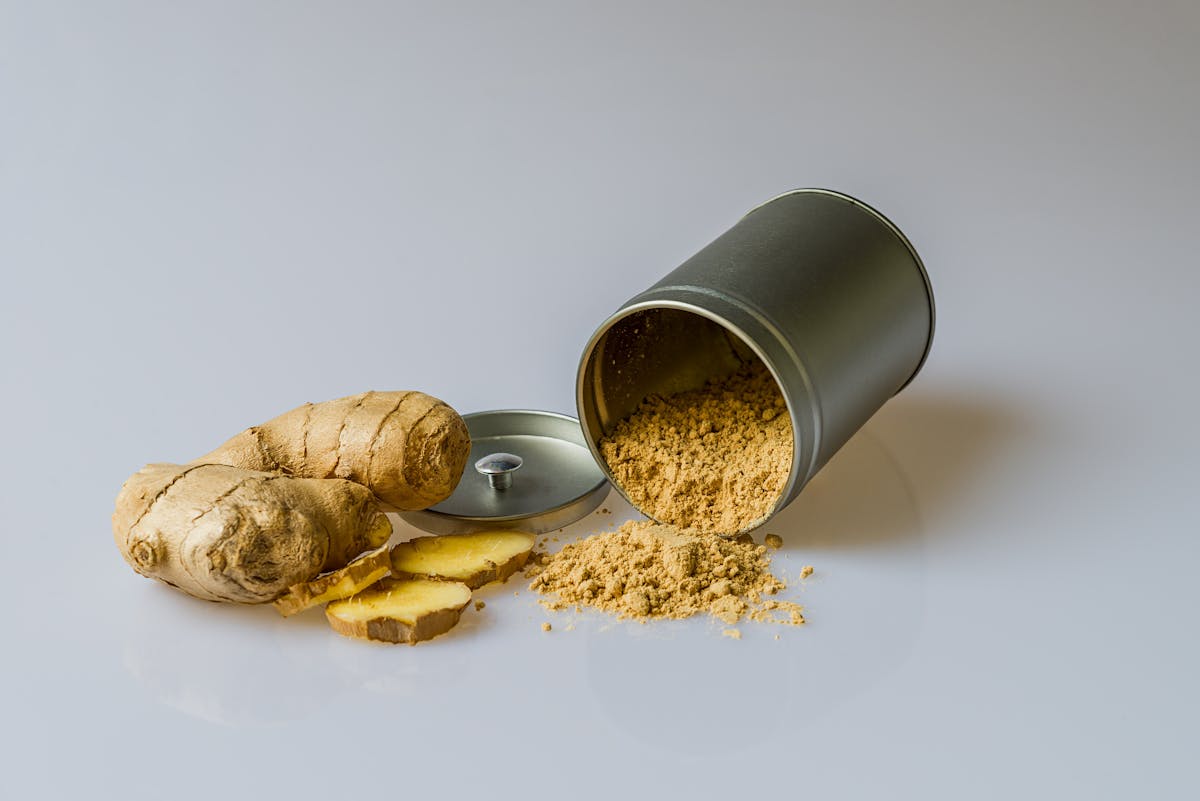
Ginger has been used medicinally for over 2,000 years. Ancient Chinese, Indian, and Arab physicians all had their own uses for it — digestion, pain, fever, nausea. For most of that time, the evidence was anecdotal. The plant clearly did something, but nobody knew quite what or why.
Now we do. Or at least we know a lot more. NCBI PubMed lists over 4,000 studies on Zingiber officinale. NHS guidance formally recommends it for pregnancy nausea. PubChem has catalogued its primary bioactive compound in detail. And randomised controlled trials have now put specific claims through proper scientific scrutiny — some of which have held up remarkably well, and some of which are more complicated than the wellness industry tends to admit.
This article covers what the research actually shows. Not the vague "ginger is great for you" content that clogs up the internet, but specific mechanisms, specific trials, specific findings — and where the evidence is strong versus where it's still thin.
First: What's Actually Inside Ginger?
When you bite into a piece of raw ginger and feel that sharp, almost burning heat spread across your tongue, that sensation comes from a family of phenolic compounds called gingerols. The most abundant and pharmacologically active of these is 6-gingerol.
6-Gingerol is the dominant pungent compound in fresh ginger. According to PubChem (CID 442793), it's classified as a beta-hydroxy ketone with the molecular formula C₁₇H₂₆O₄. Its anti-inflammatory action works primarily by inhibiting COX-2 expression — the same enzyme targeted by ibuprofen and other NSAIDs — through blocking the p38 MAP kinase and NF-κB signalling pathways. It also suppresses proinflammatory cytokine release by macrophages and inhibits platelet aggregation.
When you dry or cook ginger, 6-gingerol undergoes dehydration and converts to 6-shogaol — a related compound that some researchers believe is even more biologically active, particularly as an anti-inflammatory. This is why dried ginger powder and fresh ginger rhizome can have meaningfully different pharmacological profiles, and why the form of ginger used matters when you're reading clinical studies.
| Energy | 80 kcal |
| Carbohydrates | 17.8g |
| Fibre | 2g |
| Protein | 1.8g |
| Fat | 0.75g |
| Potassium | 415mg (12% DV) |
| Magnesium | 43mg (10% DV) |
| Vitamin B6 | 0.16mg (12% DV) |
| Manganese | 0.23mg (10% DV) |
| 6-Gingerol (active compound) | ~1–3g per 100g fresh |
Now let's get into what the science actually says about each major claimed benefit.
This is the area where ginger's evidence is hardest to argue with. NHS.uk's pregnancy guidance explicitly lists ginger as a first-line suggestion for morning sickness, stating there is "some evidence ginger may help reduce nausea and vomiting." Multiple NHS Trusts — including University Hospitals Sussex, Royal Free London, and Hull Teaching Hospitals — recommend it in patient leaflets for pregnancy-induced nausea.
The clinical evidence supporting this is substantial. A systematic review and meta-analysis published on NCBI (PMC4818021) reviewed multiple randomised controlled trials and found that ginger was significantly more effective than placebo for reducing nausea and vomiting in pregnancy. A separate double-blind RCT of 120 women with morning sickness (PubMed ID 14712970) found that ginger extract significantly reduced nausea scores within the first day of treatment compared to placebo — an effect that persisted for every day of the study. The 2022 meta-analysis (PubMed ID 31937153) confirmed ginger was more effective than vitamin B6 for general nausea and vomiting symptoms.
The mechanism is well understood: gingerols and shogaols inhibit serotonin's 5-HT3 receptors — the same pathway targeted by some antiemetic prescription drugs — which reduces the nerve signals that trigger vomiting. The clinically studied safe daily dose for pregnancy nausea is around 1,000mg, equivalent to approximately one teaspoon of freshly grated ginger or four cups of prepackaged ginger tea.
This is the finding that tends to surprise people the most. A meta-analysis published in PMC (PMC8021506) screened 638 studies and found ginger was significantly more effective than placebo for reducing menstrual pain severity. The headline finding from a separate meta-analysis (PubMed ID 26177393), which pooled four RCTs and assessed pain using the visual analogue scale, showed a significant pain reduction with a risk ratio of −1.85 (95% CI: −2.87 to −0.84, P=0.0003) — meaning the pain relief was real, not statistical noise.
More strikingly, when ginger was compared directly to NSAIDs (ibuprofen-type drugs) in trials, there was no statistically significant difference in pain relief between the two. Ginger matched the standard pharmaceutical treatment. A 2022 systematic review in ScienceDirect confirmed that up to 2g per day of ginger powder over the first three days of menstruation could be used safely for primary dysmenorrhea.
The mechanism: ginger inhibits prostaglandin synthesis (the compounds that cause uterine contractions and cramping) via COX-2 inhibition — exactly the same mechanism as ibuprofen, just without the gastric side effects that cause around 30% of women to stop taking NSAIDs.

This is probably the claim most often made about ginger, and the one with the most solid mechanistic backing. 6-Gingerol (PubChem CID 442793) is an established COX-2 inhibitor. It works by blocking the p38 MAP kinase pathway and NF-κB signalling — the primary molecular switches that turn on the inflammatory response. In doing so, it reduces the production of prostaglandins and leukotrienes, two of the main chemical mediators of inflammation and pain.
A PubMed review (PubMed ID 25230520) summarising the biological properties of 6-gingerol confirmed its anti-inflammatory, antioxidant, and anticancer activities across multiple in vitro and in vivo studies. In human studies, ginger has been investigated for inflammatory conditions including rheumatoid arthritis and osteoarthritis, with ginger extracts outperforming placebo in randomised cross-over trials for knee osteoarthritis pain.
The catch: most of the inflammation studies have been short-term, and the optimal dose for systemic anti-inflammatory benefit in humans hasn't been nailed down with the same rigour as the nausea and menstrual pain literature. What the science clearly supports is the mechanism. Whether eating ginger regularly translates to meaningful reduction in chronic inflammation is plausible, but still under active study.
The blood sugar evidence is where things get interesting and a little complicated. A well-cited double-blind RCT (PubMed ID 24559810) gave 88 diabetic patients either 3g of ginger powder or a placebo daily for 8 weeks. The ginger group saw fasting blood sugar (FBS) drop by 10.5% (p=0.003), while the control group's FBS actually increased by 21%. HbA1c, insulin resistance (HOMA-IR), and insulin sensitivity all moved in favourable directions in the ginger group.
A 2018 meta-analysis of 8 RCTs covering 454 type 2 diabetes patients (PubMed ID 30921234) confirmed that fasting blood glucose dropped significantly in patients with elevated baseline levels. Crucially, however, the same study found no meaningful effect in people with normal blood sugar — ginger appears to work where there's a problem to fix, not as a general glucose-lowering agent.
A 2024 systematic review (PubMed ID 39053695) came to a more cautious conclusion, finding no significant effect on FBS or HbA1c after analysing 5 RCTs — highlighting the heterogeneity across studies. The mechanism is reasonably well understood: 6-gingerol stimulates glucose uptake via the AMPKα2 pathway, inhibits α-glucosidase (slowing carbohydrate digestion), and enhances GLUT-4 expression in muscle and fat cells. The molecular biology is solid; the clinical translation is still being refined.
6-Gingerol is classified on PubChem as a compound with "antioxidant activity" — it donates electrons to neutralise free radicals through the SPLET mechanism (sequential proton loss electron transfer), protecting cells from oxidative damage. Oxidative stress is implicated in ageing, cardiovascular disease, cancer, and neurodegenerative conditions, so any compound that meaningfully reduces it is worth paying attention to.
Ginger's antioxidant effect also works through the Nrf2/HO-1 pathway — activating the body's own antioxidant defence systems rather than just acting directly as a scavenger. Research published in PMC (cited in ScienceDirect's 6-gingerol overview) found that 6-gingerol enhances mitochondrial function via this pathway, reducing ferroptosis (an iron-mediated form of cell death driven by lipid oxidation) and inflammatory mechanisms simultaneously.
In practical terms: ginger's antioxidant properties are real and mechanistically well-understood. Whether supplementing at dietary levels produces meaningful clinical outcomes for the average healthy person remains less clear than the mechanistic picture suggests — this is a gap common to many antioxidant compounds when translated from lab to human trials.
Cancer patients receiving chemotherapy frequently experience severe nausea and vomiting that can significantly affect quality of life and treatment adherence. A systematic review published on NCBI (PMC9739555) examined randomised clinical trials on ginger for chemotherapy-induced nausea and vomiting (CINV) and found that ginger supplements were effective in reducing the likelihood of acute vomiting, though the certainty of effect was rated as "very low" due to high clinical heterogeneity between trials.
The mechanism is the same as for pregnancy nausea: 5-HT3 receptor antagonism by gingerols and shogaols. A pilot RCT (referenced via PubMed) found significant reductions in acute nausea for cancer patients taking ginger alongside standard antiemetic drugs compared to those on antiemetics alone — suggesting ginger works best as a complementary agent rather than a standalone treatment in this context.
The evidence here is promising but still developing. Most oncologists would use it as an add-on rather than a replacement, and would advise checking for drug interactions (particularly anticoagulants) before supplementing during chemotherapy.
This one needs the most careful framing. 6-Gingerol has been found in laboratory settings to possess anticancer activities through several pathways: inducing apoptosis (programmed cell death), regulating the cell cycle, exhibiting cytotoxic activity against cancer cells, and inhibiting angiogenesis (the formation of blood vessels that feed tumour growth). It has also shown potential against skin, colorectal, gastrointestinal, and pancreatic cancer cell lines in vitro.
A PubMed review (PubMed ID 25230520) specifically identified 6-gingerol as "a potential therapeutic agent for the prevention and/or treatment of various diseases" based on its multi-target regulation. PubChem notes that 6-gingerol has been studied for its effects on glycogen synthase kinase 3β (GSK-3β) and β-catenin pathways in A549 cancer cell lines.
The critical caveat: virtually all of this evidence is from cell culture or animal studies. Compounds that kill cancer cells in a petri dish are not rare — the challenge is translating that into clinical benefit in humans, where bioavailability, dosing, and systemic interactions are vastly more complex. No clinical trial has demonstrated that eating ginger prevents or treats cancer in humans. The mechanistic foundation is legitimately interesting; the clinical application is not there yet.
6-Gingerol has been shown to increase ABCA1 mRNA and protein expression in liver cells, a mechanism linked to higher HDL cholesterol (the "good" kind) production. It also inhibits platelet aggregation — the clumping together of blood platelets that can contribute to clot formation — through multiple pathways, including serotonin release inhibition.
A randomised clinical trial (PubMed ID 30921234) which investigated ginger's effects on type 2 diabetes and metabolic syndrome also found favourable effects on lipid profiles in some subgroups. The anti-platelet effect is interesting but also comes with a practical warning: it means ginger can interact with blood-thinning medications. NHS patient leaflets from Oxford University Hospitals and Whittington Health explicitly advise avoiding ginger supplements in patients on anticoagulants or aspirin.
The cardiovascular evidence is genuinely promising at the mechanistic level but, like the anticancer research, is still being translated into robust large-scale human trials. What's confirmed: the molecular biology is there. What's still developing: the clinical significance at dietary doses.
Dosage: How Much Should You Actually Take?
This is the part most articles skip over because it requires actually reading the clinical trials. Dose matters enormously with ginger — the studies showing clear effects used specific quantities, not just "eat some ginger."
Evidence-Based Daily Doses (from clinical trials)
Side Effects and Who Should Be Careful
Ginger is generally safe. It appears on the FDA's GRAS (Generally Recognised As Safe) list, is included in multiple pharmacopoeias, and adverse events in clinical trials have consistently been described as mild and infrequent. That said, a few groups need to exercise caution.
Blood thinners: Ginger inhibits platelet aggregation and can amplify the effect of warfarin, aspirin, clopidogrel, and other anticoagulants — potentially increasing bleeding risk. NHS Trusts explicitly warn against ginger supplements for patients on these medications.
High blood pressure medication: Some NHS patient leaflets advise caution with antihypertensive drugs, as ginger may have additive effects on blood pressure.
Pregnancy (high doses): While 1,000 mg/day is the studied safe dose for nausea, high-dose concentrated supplements have not been well-studied for safety across all trimesters. Always check with a pharmacist before using supplements in pregnancy — NHS.uk specifically recommends this.
Heartburn: Ginger increases stomach acid production at higher doses. Some people experience heartburn, particularly on an empty stomach. In the dysmenorrhea trial (PMC3518208), 5.1% of participants reported heartburn in the ginger group.
Finland note: Finnish health authorities prohibit pregnant women from taking ginger supplements due to the still-developing evidence base — a minority regulatory position, but worth noting.
The Bottom Line
Ginger is not a miracle cure. But it is one of the more legitimately interesting plants in evidence-based nutrition. Its primary bioactive compound, 6-gingerol (PubChem CID 442793), has well-characterised anti-inflammatory, antioxidant, and antiemetic mechanisms. NHS guidance formally endorses it for pregnancy nausea. Multiple peer-reviewed meta-analyses support its effectiveness for menstrual pain, where it rivals ibuprofen in head-to-head trials. The blood sugar evidence is promising but still developing. The anticancer evidence is mechanistically real but far from clinical application.
Where it stands out from a lot of "superfood" hype is that the mechanisms are genuine and the evidence for its primary uses — nausea and pain — is actually solid. Not every claim stacks up equally, and doses matter more than most people realise. But as a spice to incorporate into your diet, the evidence-to-benefit ratio is about as good as it gets in nutritional science.